The Quick Answer
Clarksville roofs take the same spring hail and straight-line wind that run down the I-40 corridor through the rest of the River Valley, and many homes in town are older, with aging decking, more than one layer of shingles, or ventilation that was never right. After a storm, check soft metal and gutters from the ground, stay off the roof, take dated photos, and get a free inspection before you call a claim or sign anything. Before a planned replacement, ask what is under the shingles, because decking and tear-off are where older Clarksville roofs surprise people.
Clarksville is the Johnson County seat, home to the University of the Ozarks and the Johnson County Peach Festival, and sits along I-40 about a half-hour west of SMI Roofing's Russellville office. Homes range from older houses near downtown and the university to newer neighborhoods and farm properties out toward Lamar, Hartman, and Coal Hill. This guide covers what storms do to roofs here, what older homes need before a reroof, how insurance usually handles it, metal vs. shingles for houses and shops, what a new roof costs, and what a free inspection includes.
What Do River Valley Storms Do to Clarksville Roofs?
- Hail. Hail bruises shingles, knocks off the protective granules, and cracks the mat underneath. A bruised shingle may not leak for months, which is why hail damage is easy to miss and easy to argue about later.
- Straight-line wind. Wind lifts shingle edges along ridges, rakes, and eaves and breaks the seal strip. Once a tab has been lifted, it can keep flapping in later storms even if it lays back down.
- Wind-driven rain. Heavy rain pushed sideways finds weak flashing at chimneys, walls, and skylights and old pipe boots that have cracked in the sun.
- Metal roofs and shops. On metal, hail leaves dents and wind pulls at loose trim and backed-out screws. Exposed-fastener panels on houses, shops, and barns are worth a look after any big storm.
How Can You Spot Storm Damage From the Ground?
- Soft metal. Fresh round dents on gutters, downspouts, turbine vents, mailboxes, and A/C fins mean hail was big enough to check the roof.
- Granules. A pile of dark sand-like granules at the bottom of downspouts after a storm is a sign shingles took hits.
- Missing or creased shingles along ridges and edges, or pieces of shingle in the yard.
- Loose metal trim or panels on the house, shop, or barn.
- New stains inside on ceilings, at the top of exterior walls, or in the attic.
Stay off the roof. A wet or damaged roof is dangerous, and walking on hail-hit shingles can add damage. Take dated photos from the ground and of anything dented, then schedule an inspection. For more detail, read hail storm roof damage in Arkansas or see our storm damage roof repair page. If water is coming in, see emergency roof tarping in Arkansas.
What Should Owners of Older Clarksville Homes Know Before a Reroof?
Many houses around downtown Clarksville and the older streets near the university have had more than one roof. That history matters when it is time for the next one.
- Layers. Some older homes have a second layer of shingles installed over the first. A full tear-off down to the deck lets the crew see and fix the wood underneath, and it is the norm for a quality replacement. More layers mean more labor and disposal.
- Decking. Older homes may have plank decking or sheathing that has softened from past leaks. Bad decking has to be replaced before the new roof goes on, so ask how your contractor prices it per sheet before the job starts.
- Ventilation. Hot, humid Arkansas summers cook an attic with poor airflow, which shortens shingle life and drives up cooling bills. A reroof is the time to balance intake at the eaves with exhaust at the ridge. See roof ventilation problems in Arkansas.
- Flashing and chimneys. Old step flashing and chimney flashing should be replaced, not reused, on most reroofs. Leaks at chimneys are one of the most common calls on older homes.
Not sure whether the roof needs replacing or just repairs? Our roof repair vs. replacement guide walks through how to decide.
How Does Insurance Usually Handle Storm Damage?
- Your deductible. Some policies carry a separate wind and hail deductible, sometimes a percentage of the home's insured value. If the damage costs less than the deductible, filing doesn't help.
- Storm damage vs. wear. Insurers pay for sudden storm damage, not age. Older roofs get more claims denied as "wear and tear," so clear photos of fresh hail hits and lifted shingles matter.
- ACV vs. RCV. Some policies pay actual cash value on older roofs, which subtracts depreciation. Replacement cost policies usually hold back depreciation until the work is done. See ACV vs. RCV roof settlements.
- Cosmetic damage on metal. Some policies exclude dents on metal roofs that don't let water in. Check your policy for a cosmetic damage exclusion before you file on a dented metal roof.
- Don't wait. Policies have deadlines for reporting damage. The Arkansas Insurance Department advises making temporary repairs to prevent more damage and keeping receipts, while holding off on permanent repairs until the insurer has inspected.
Claim denied or paid less than expected? Read why roof claims get denied in Arkansas and how to read a roof insurance estimate, or visit our insurance claim help page.
Metal or Shingles for a Clarksville Home, Shop, or Barn?
Both are common around Johnson County. Architectural shingles cost less upfront, fit most neighborhoods in town, and are what most insurance claims replace like-for-like. Metal usually costs more on a house but lasts longer and sheds rain and debris well, which is why it is so common on shops, barns, and country homes out in the county. Standing seam metal hides its fasteners; exposed-fastener panels cost less but need their screws and washers checked over the years. Either way, hail can still dent metal. Our metal roof vs. shingles guide compares them in detail, and our metal roofing page covers what SMI installs.
How Much Does a New Roof Cost in Clarksville?
For planning, most architectural shingle replacements in Clarksville fall around $8,000–$18,000, or about $450–$800 per roofing square. That is the same planning range on our Clarksville roofing page. Metal usually costs more upfront. Roof size and pitch, extra layers to tear off, replacing soft decking, new flashing, and ventilation upgrades move the number. It's a range, not a quote. See our roof replacement cost guide for a broader breakdown.
How Do You Check a Roofer After a Storm?
- Verify the registration or license. Arkansas requires residential roofers to hold a Residential Roofing Registration from the Arkansas Contractors Licensing Board for jobs over $2,000, unless they hold a residential builder or remodeler license.
- Get a written contract with the company's name, address, phone, scope, materials, warranty, and payment terms.
- Look for a permanent local office that will still answer a warranty call next year.
- Don't pay a large deposit to someone you just met, and don't sign under pressure after a storm.
Our full checklist is in how to choose a roofing contractor in Arkansas.
What Does SMI's Free Roof Inspection Include?
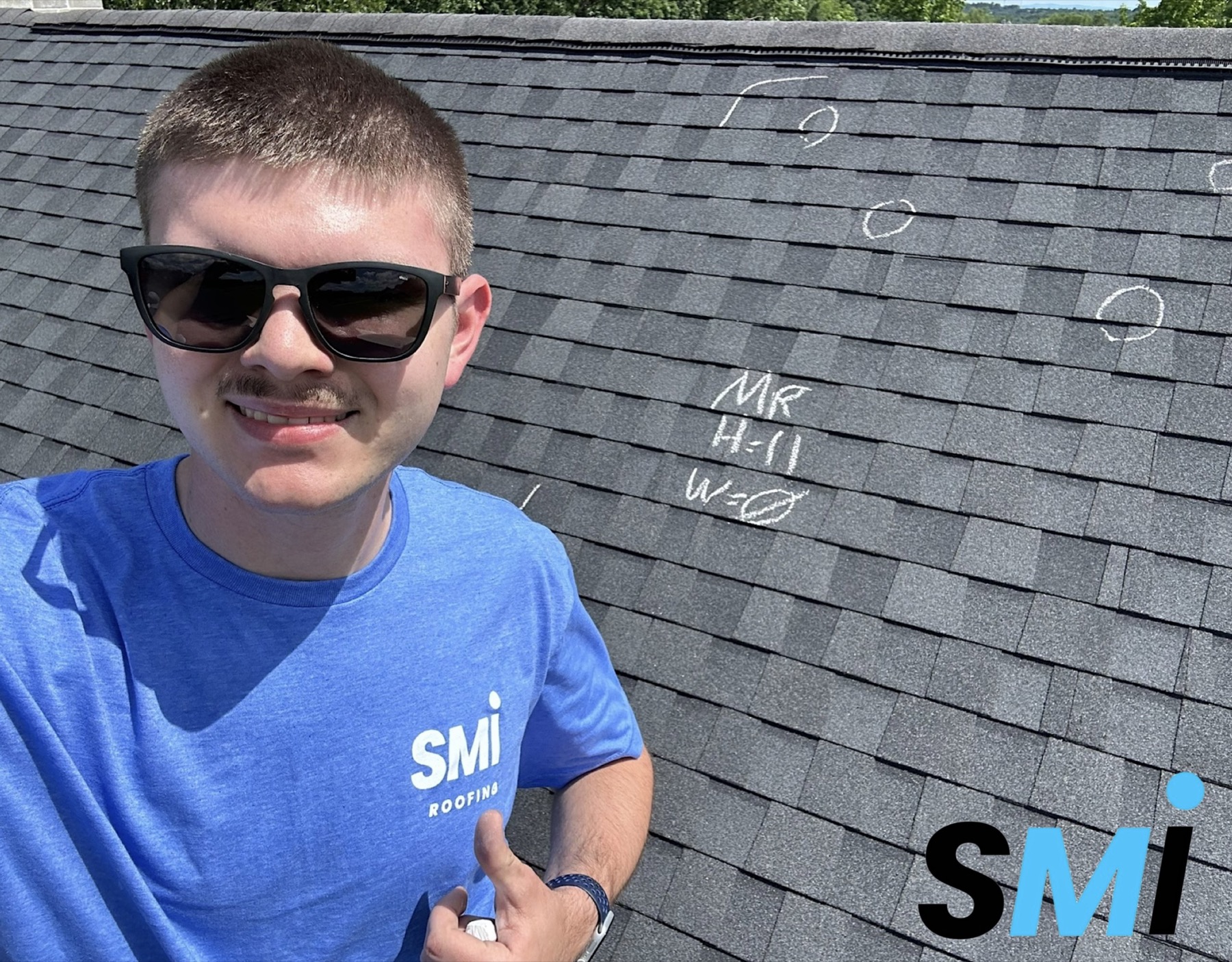
When you schedule a free roof inspection, we check the shingles or panels, fasteners, flashing, valleys, vents, pipe boots, and ridge, look at the attic when it's accessible, mark and photograph any storm hits, and explain what we find plainly: repair, an insurance claim, replacement, or nothing needed. If your roof is fine, we tell you. Read more in what a roof inspection includes.
Own a business, church, or metal building in Clarksville? See commercial roofing in Clarksville. We also serve nearby Ozark, London, Dover, and Russellville.
Get a Straight Answer About Your Clarksville Roof
Call SMI Roofing at (479) 880-4327 or email office@smiroof.com to schedule a free roof inspection. We take calls and book inspections 24/7. If water is coming in right now, call and we'll move faster.