What Is Built-Up Roofing?
Built-up roofing (BUR) is the oldest and most proven commercial flat roof system, with over 100 years of documented performance. Often called "tar and gravel" roofing, BUR systems consist of multiple alternating layers of bitumen (asphalt or coal tar) and reinforcing fabrics (fiberglass or polyester), topped with a surface layer of gravel, mineral cap sheet, or reflective coating.
The multi-layer construction is BUR's defining advantage. Where single-ply membranes rely on a single sheet of material for waterproofing, a BUR system typically includes three to five reinforcing plies, each bonded in bitumen. This creates redundant waterproofing: even if one layer is damaged, the layers below continue to protect the building. That redundancy makes BUR exceptionally reliable for critical facilities where any leak would cause significant damage.
When Built-Up Roofing Is the Right Choice
BUR excels in specific commercial applications. Buildings with extremely heavy rooftop foot traffic benefit from BUR's superior puncture resistance, especially when gravel-surfaced. Facilities where the owner prioritizes a proven track record over newer technology often choose BUR. Properties in hail-prone areas like the Arkansas River Valley benefit from the gravel ballast, which absorbs hail impact energy effectively. Additionally, some building owners and facility managers prefer BUR simply because it has been performing reliably on commercial buildings for over a century.
BUR System Components
A typical BUR installation includes a base sheet mechanically fastened or adhered to the insulation, two to four reinforcing ply sheets interleaved with bitumen, and a surface treatment. The surface treatment can be flood-coat with gravel (the traditional "tar and gravel" approach), a mineral-surfaced cap sheet for a cleaner appearance, or a reflective coating for energy efficiency. The gravel surface provides UV protection, hail resistance, and fire resistance. Mineral cap sheets are lighter and provide a more finished appearance. Reflective coatings offer energy savings comparable to TPO or white EPDM.
Our Built-Up Roofing Process
Built-up roofing needs a disciplined sequence because deck condition, layers, drainage, weather windows, cleanup, and warranty documentation all affect long-term performance.
- Inspection: We inspect roof surfaces, attic clues, drainage, penetrations, and system details before recommending work.
- Written estimate: You get photos, measurements, scope options, and pricing before scheduling.
- Scheduling: We set timing around weather, material availability, access, and urgency.
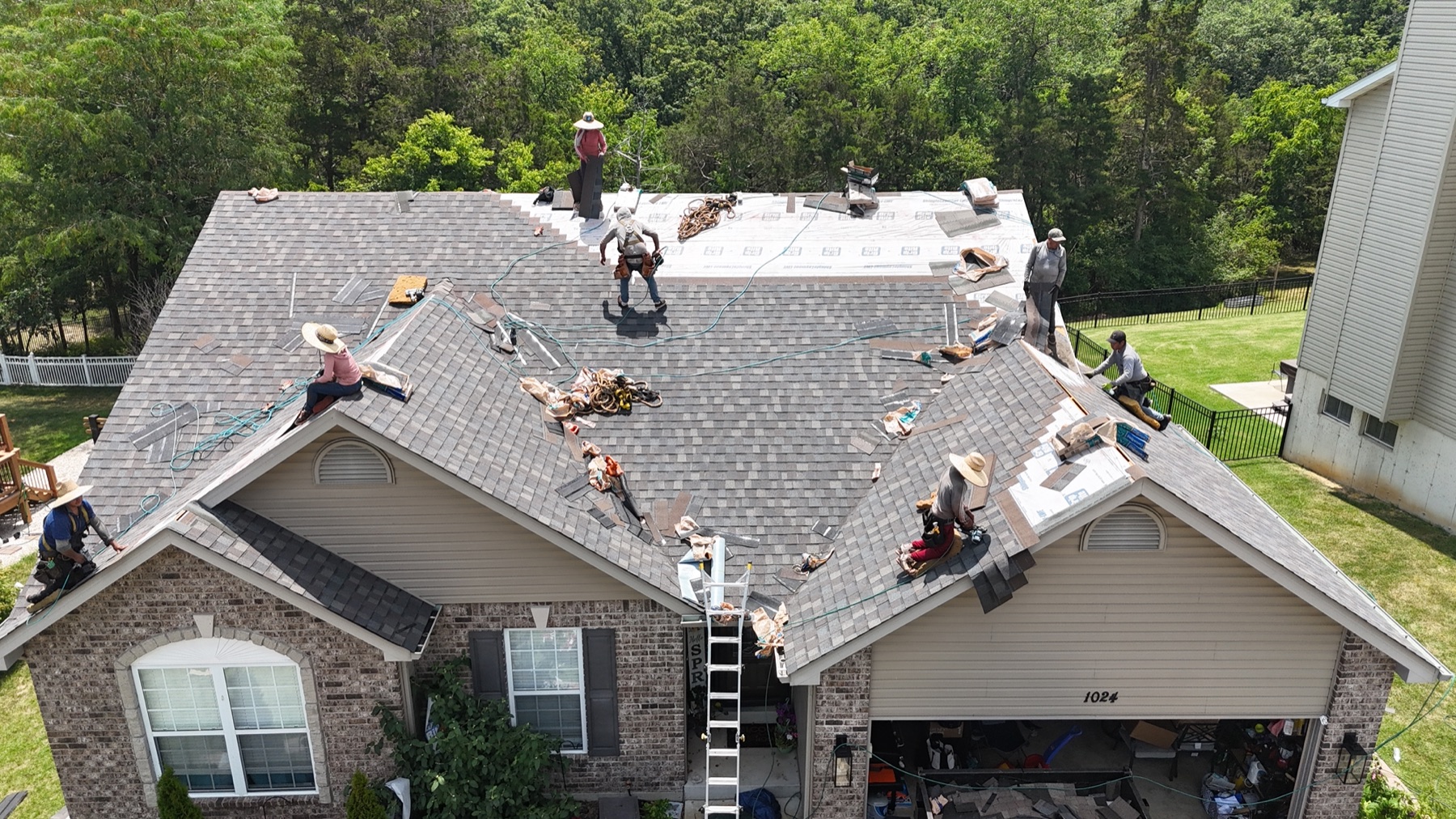
- Installation or repair: The crew completes the approved installation, repair, coating, inspection follow-up, or claim-supported work.
- Cleanup: We protect the property, collect debris, run magnet sweeps when nails are present, and document the finished roof.
- Warranty review: We review workmanship warranty, material coverage, maintenance notes, and next steps before closing the job.
BUR vs. Single-Ply vs. Modified Bitumen
BUR, modified bitumen, and single-ply systems each serve different commercial needs. BUR provides the most layers of redundancy and the longest track record but weighs more and costs more to install than single-ply options. Modified bitumen delivers similar multi-layer protection with easier installation. Single-ply systems (TPO, EPDM, PVC) are lighter, faster to install, and less expensive, but rely on a single membrane layer for waterproofing.
For many commercial buildings in Arkansas, the choice comes down to budget and risk tolerance. If waterproofing failure would cause catastrophic damage (data centers, pharmaceutical storage, archival facilities), BUR's redundancy may justify the higher cost. For standard commercial buildings, modern single-ply systems deliver excellent performance at lower cost.
BUR Maintenance and Lifespan
Built-up roofs typically deliver 25-30 years of service with proper maintenance, and many exceed 40 years. Maintenance includes semi-annual inspections, keeping drains and gutters clear, replacing displaced gravel, and addressing any blistering or cracking in the membrane surface. BUR roofs can also be restored with coating systems that add 10-15 years of life, delaying full replacement.