Repair is usually smart when
The roof is younger, the leak source is obvious, shingles are still flexible, and the problem is limited to one area.
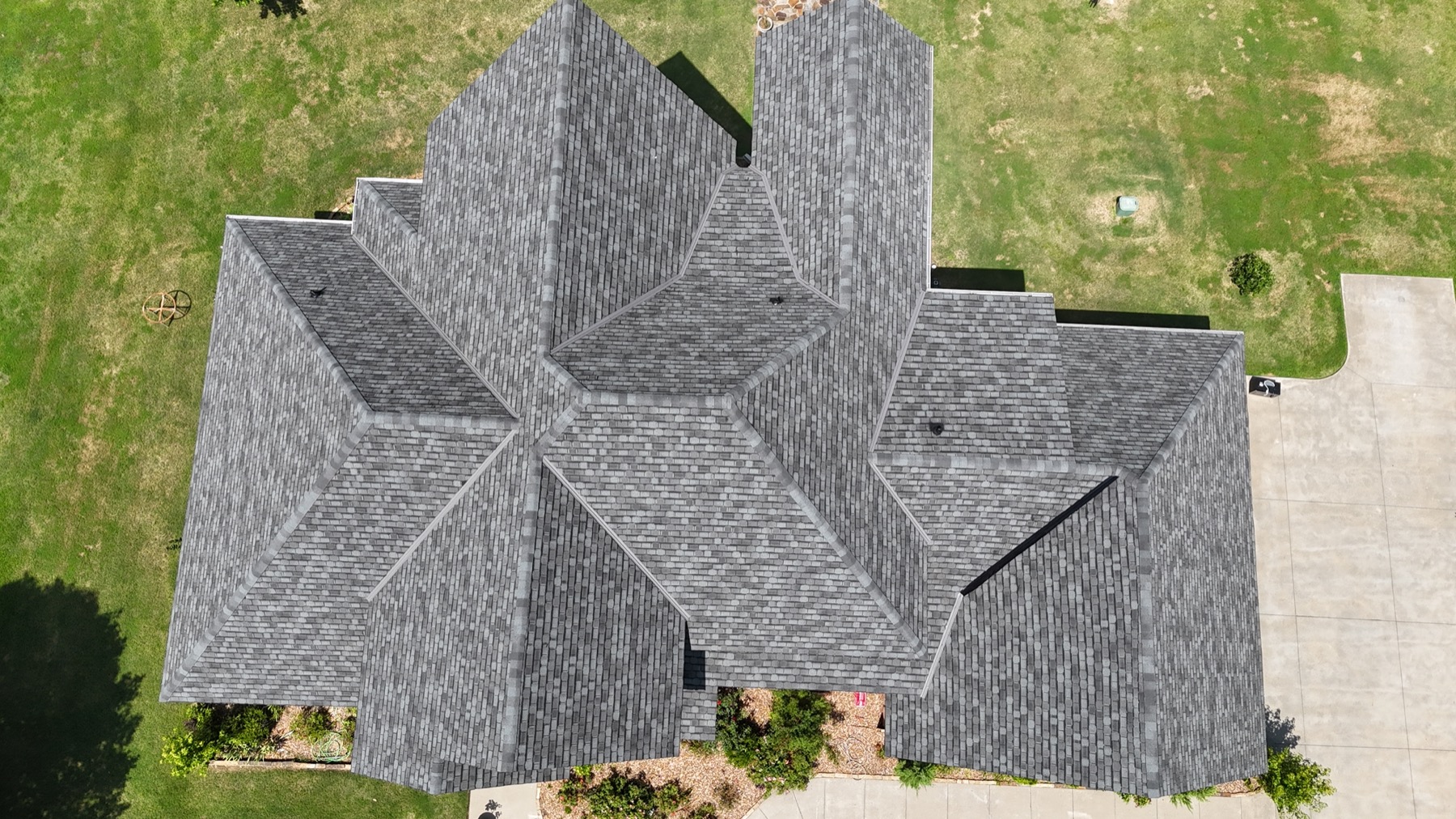
A leak does not automatically mean you need a full roof replacement. At the same time, repeated repairs on an old or storm-damaged roof can waste money. This guide shows how SMI compares repair, replacement, and insurance-supported scopes.
Repair usually makes sense when damage is isolated and the rest of the roof is sound. Replacement starts to make more sense when wear is widespread, leaks keep returning, decking is compromised, storm damage affects multiple slopes, or the roof is near the end of its useful life.
| Factor | Repair | Replacement |
|---|---|---|
| Best use case | One leak source, missing shingles, pipe boot failure, small flashing issue, isolated storm damage. | Multiple leak points, widespread granule loss, old brittle shingles, recurring repairs, damaged decking, approved full claim scope. |
| Upfront cost | Lower initial cost when the problem is limited. | Higher initial cost, but can be cheaper than repeated repairs when the roof is failing. |
| Risk | A repair may not solve hidden problems on an aging roof. | Replacement reduces future leak risk but should be justified by inspection findings. |
| Insurance | May apply when storm damage is limited to a repairable area. | May apply when covered storm damage affects enough of the roof to justify replacement under policy terms. |
| Timing | Often faster, especially for active leaks or small storm repairs. | Requires material selection, scheduling, tear-off, deck inspection, and full cleanup. |
| Best fit | Newer or mid-life roof with limited damage. | Older roof, brittle materials, repeated leaks, or broad storm damage. |
Every roof still needs a real inspection. Roof size, pitch, access, decking, ventilation, flashing, materials, warranty, storm damage, and insurance scope can change the right recommendation.
SMI compares the actual roof condition, long-term risk, and budget before recommending a direction. The goal is not to sell the most expensive option. The goal is to solve the roof correctly.
The roof is younger, the leak source is obvious, shingles are still flexible, and the problem is limited to one area.
The roof has widespread wear, multiple slopes are damaged, repairs keep returning, or decking and ventilation need system-level work.
If covered storm damage exists, SMI documents the roof, meets the adjuster when needed, and explains deductible, upgrades, and claim scope.
Around Russellville, Ozark, Clarksville, Pottsville, Dardanelle, and Conway, the repair-versus-replacement decision often follows hail, wind, fallen limbs, or a leak after heavy rain. SMI photographs conditions, separates urgent temporary protection from permanent work, and explains whether repair or replacement is the stronger recommendation.
Move between comparison pages, service hubs, cost guides, and local roofing pages without losing the decision context.
This guide is written for Arkansas roofing decisions and uses industry guidance from NRCA, DOE/EPA cool roof resources, and commercial coating manufacturer guidance as background context.
Call SMI Roofing or book a free inspection. We will inspect the roof, document the conditions, and give you a written scope before work starts.