Arkansas River Valley winters aren't the harshest in the country, but they're hard on flat roofs. Cold rain, freeze-and-thaw cycles, wind, and the occasional ice storm all test a commercial roof's weakest points. And when a flat roof leaks in winter, it rarely happens at a good time. It shows up over inventory, office equipment, or a dining room full of customers.
The good news: most winter roof problems start as small fall problems. Here's a practical pre-winter checklist for building owners and property managers in Russellville, Conway, Clarksville, Morrilton, and across the River Valley.
Why Flat Roofs Need Attention Before Winter
Low-slope roofs depend on drainage and watertight seams. Steep residential roofs shed water fast. Flat roofs move it slowly toward drains, scuppers, and gutters. Anything that slows that process, like leaves, debris, low spots, or a clogged drain, gives water more time to find a weak seam or flashing detail.
In winter, two things make that worse:
- Freeze-thaw cycles. Water that gets into small cracks can freeze, expand, and widen the opening.
- Slower drying. Shorter, cooler days mean standing water and damp insulation stay wet longer.
A fall inspection lets you find and fix problems on your schedule, not in an emergency.
Step 1: Clear Drains, Scuppers, and Gutters
This is the simplest step and one of the most important. Fall leaves, wind-blown debris, and trash collect around roof drains and scuppers. Make sure:
- Drain strainers and baskets are in place and clear
- Scuppers and downspouts are open and flowing
- Gutters and leaders on the building edge aren't clogged or pulling away
If water backs up behind a clogged drain, the added weight and standing water raise the risk of leaks.
Step 2: Look for Ponding Water
After a rain, check whether water drains within a reasonable time or sits in low spots. Ongoing ponding can speed up wear on many roof membranes and point to sagging insulation, deck problems, or poorly placed drains. Note where ponding happens so a roofer can evaluate it.
Step 3: Check Seams and the Membrane Surface
Each flat roof system has its own weak points:
- TPO: Look for seam separation, punctures, and wear around penetrations. See our TPO roofing page.
- EPDM: Watch for shrinkage pulling at edges and flashings, and for lap seams lifting. See EPDM roofing.
- Modified bitumen: Check for blisters, cracking, and seams lifting at laps. See modified bitumen roofing.
- Built-up (BUR): Look for bare spots where gravel has moved, alligatoring, and blisters. See built-up roofing.
Not sure which system you have? Our TPO vs. EPDM comparison is a good starting point, or we can identify it during an inspection.
Step 4: Inspect Flashings, Curbs, and Penetrations
Most flat roof leaks start at edges and penetrations, not in the middle of the membrane. Pay attention to:
- HVAC curbs and units
- Pipe boots, vents, and exhaust fans
- Skylights and roof hatches
- Parapet walls, coping, and edge metal
- Where the roof meets a wall or an adjoining building
Cracked sealant, loose metal, or flashing pulling away are common winter leak sources.
Step 5: Don't Forget Metal Roofs
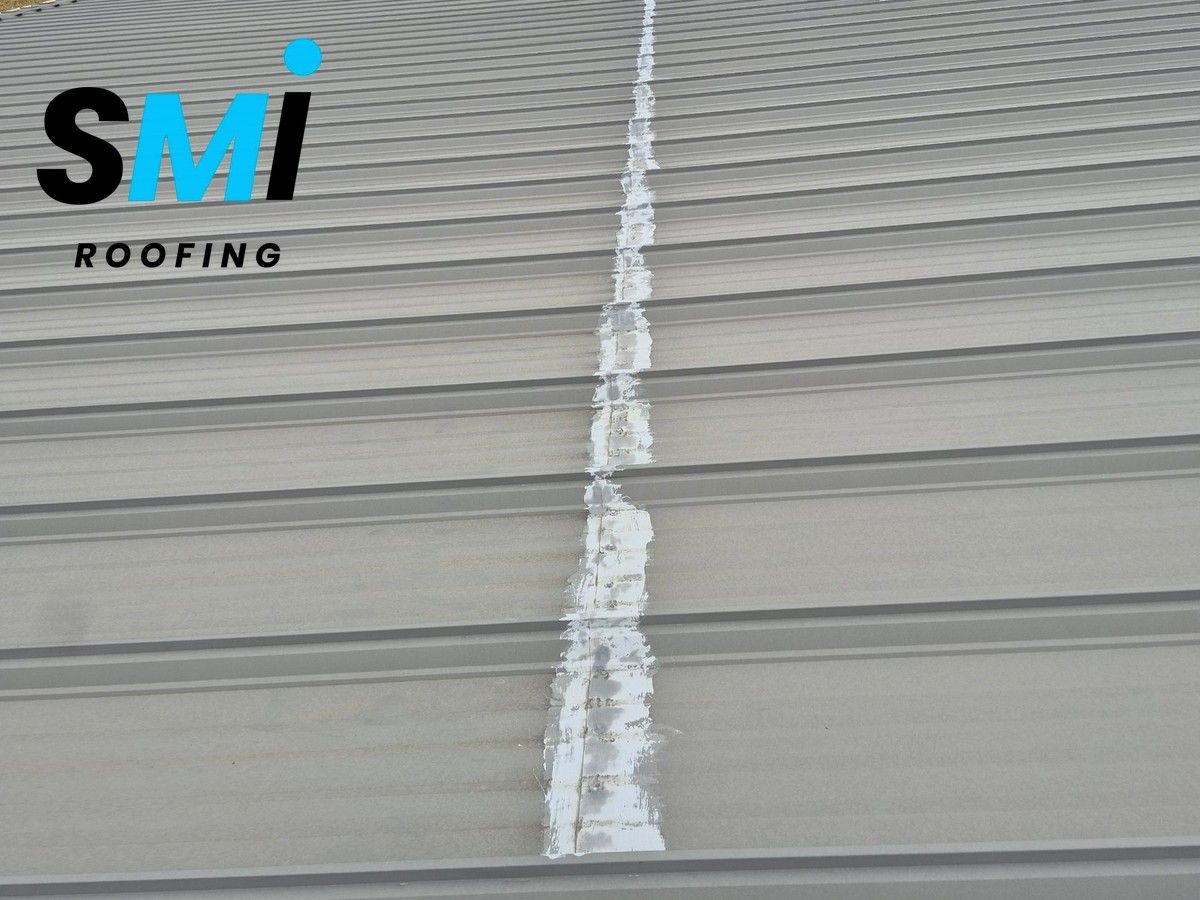
Not every commercial building has a flat membrane roof. Many River Valley shops, warehouses, and ag buildings have standing seam metal or metal panel roofs. Before winter, check for loose or backed-out fasteners, worn fastener washers, open lap seams, rust at cut edges, and damaged trim or ridge caps.
Step 6: Limit Roof Traffic and Document Everything
Contractors, HVAC techs, and other trades walking the roof can cause punctures and damage without realizing it. Keep roof access limited, ask service vendors to report anything they disturb, and keep a simple log of who was up there and when.
Take dated photos of the roof's condition now. If a storm causes damage this winter, having "before" photos makes any insurance or warranty conversation much easier.
Step 7: Get a Professional Pre-Winter Inspection
A walk-through by your maintenance team is helpful, but a roofing professional can spot early warning signs that are easy to miss: small seam failures, wet insulation, and flashing details that are starting to fail.
SMI Roofing's commercial inspections focus on what building owners actually need. We photograph conditions, explain what matters and what doesn't, and give you a clear written recommendation: repair, maintain, consider a coating or restoration, or plan a replacement. We understand scheduling, access, and keeping your business running while work happens.
For a year-round plan, see preventive commercial roof maintenance in Arkansas. If you're weighing bigger decisions, read when to replace vs. repair a commercial roof.
Commercial Roofing Across the River Valley
SMI Roofing works on commercial buildings in Russellville, Conway, Clarksville, Morrilton, and the surrounding communities, including Dardanelle, Atkins, Dover, Pottsville, and London. Visit our commercial roofing page for the full list of systems we install and service.
Schedule Your Commercial Roof Winter-Prep Inspection
Don't wait for the first winter leak. Call SMI Roofing at (479) 880-4327 or email office@smiroof.com to schedule a pre-winter inspection for your building. Our Russellville office at 302 East Parkway Drive, Suite C is open Monday–Friday 7–6 and Saturday 8–2.